Plants and animals, while both living organisms, have different structures adapted for their specific needs. Here's a breakdown of some key parts:
Plants:
* Roots: Anchor the plant in the ground, absorb water and nutrients from the soil.
* Stem: Supports the plant, transports water and nutrients throughout the plant.
* Leaves: Capture sunlight for photosynthesis, produce food for the plant.
* Flowers: Reproductive organs, involved in pollination and seed production.
* Fruits: Develop from flowers and contain seeds.
* Seeds: Contain a young plant embryo, necessary for reproduction.
Animals:
* Brain: Control center of the nervous system, responsible for thoughts, feelings, and actions.
* Heart: Pumps blood throughout the body, delivering oxygen and nutrients.
* Lungs: Responsible for gas exchange (taking in oxygen, releasing carbon dioxide).
* Stomach: Breaks down food, begins the process of digestion.
* Intestines: Continue digestion, absorb nutrients from food.
* Bones: Provide support and structure, protect vital organs.
* Muscles: Allow movement, help with breathing and other bodily functions.
* Skin: Protects the body from the environment, regulates temperature.
Key Differences:
* Nutrition: Plants are autotrophs - they make their own food through photosynthesis. Animals are heterotrophs - they consume other organisms for energy.
* Movement: While some plants move (e.g., vines growing towards light), most are stationary. Animals are generally mobile, able to move around their environment.
* Cellular structure: Plants have cell walls, chloroplasts, and vacuoles that animals lack.
* Reproduction: Plants can reproduce sexually (through flowers and seeds) or asexually (from cuttings or runners). Animals reproduce sexually, with male and female gametes uniting.
Similarities:
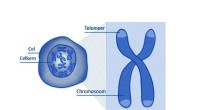
* Both plants and animals are made of cells, the basic unit of life.
* Both need water, nutrients, and oxygen for survival.
* Both have systems for growth, reproduction, and response to stimuli.
This is a simplified overview, and there are many more specific parts and functions in both plants and animals. Each organism is unique, and its body parts are finely tuned for survival in its specific environment.