Here's how they play their roles:
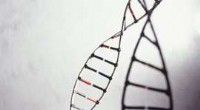
DNA:
* Heredity: DNA contains the genetic instructions, or blueprint, for building and maintaining an organism. It's organized into genes, which are specific segments of DNA that code for particular traits. When organisms reproduce, they pass down copies of their DNA to their offspring, ensuring that the offspring inherit traits from their parents.
* Variation: While DNA is the blueprint, it can be slightly altered during replication, leading to mutations. These mutations can create new traits that can be passed on to future generations. This process of mutation and inheritance contributes to the variation we see within and between species.
RNA:
* Protein synthesis: DNA doesn't directly build proteins, which are the workhorses of the cell. Instead, RNA acts as a messenger, copying the genetic instructions from DNA and carrying them to ribosomes, where proteins are made.
* Regulation of gene expression: Some types of RNA, such as microRNA, can control how much protein is made from a gene, adding another layer of complexity to the regulation of traits.
In summary:
* DNA is the primary molecule responsible for heredity, containing the genetic instructions passed down from generation to generation.
* Both DNA and RNA play roles in variation, with mutations in DNA being the primary source of new variations and RNA influencing how those variations are expressed.
It's important to remember that the interactions between DNA, RNA, and the environment all contribute to the intricate and complex nature of heredity and variation in living organisms.