Here are some key aspects of the term "biotic":
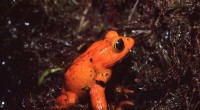
* Living organisms: This includes plants, animals, fungi, bacteria, and all other life forms.
* Interconnectedness: Biotic factors are interconnected and influence each other through food chains, competition, symbiosis, etc.
* Ecosystem dynamics: The interactions between biotic factors and their environment (abiotic factors) determine the structure and function of an ecosystem.
In contrast, abiotic refers to the non-living components of an environment, such as sunlight, water, temperature, soil, and rocks. The interplay between biotic and abiotic factors shapes the diverse and dynamic ecosystems we see around us.