Here's a breakdown:
* Chromosomes: These are long strands of DNA that contain the genetic instructions for an organism.
* Diploid: Most organisms are diploid, meaning they have two sets of chromosomes – one set inherited from each parent.
* Haploid: Haploid organisms have only one set of chromosomes.
Examples of haploid organisms:
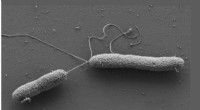
* Bacteria: Most bacteria are haploid.
* Gametes (sperm and egg): These reproductive cells are haploid in sexually reproducing organisms. When a sperm and egg fuse during fertilization, they form a diploid zygote.
* Some fungi and plants: Certain stages in the life cycle of fungi and plants are haploid.
Consequences of being haploid:
* Less genetic variation: Since there's only one set of chromosomes, there's less genetic diversity compared to diploid organisms.
* Direct expression of mutations: Mutations in a haploid organism are directly expressed, as there's no second copy of the gene to mask the mutation.
* Faster reproduction: Haploid organisms can reproduce more quickly, as they don't need to find a mate to combine their chromosomes.
Key takeaway: Haploid organisms have a single set of chromosomes, which affects their genetics and reproduction.