Unique to Plant Cells:
* Cell Wall: A rigid outer layer composed primarily of cellulose. It provides structural support, protection, and maintains cell shape.
* Chloroplasts: These organelles are the sites of photosynthesis, where sunlight is converted into chemical energy. They contain chlorophyll, the green pigment that absorbs light.
* Central Vacuole: A large, fluid-filled sac that occupies much of the cell's volume. It plays a crucial role in maintaining turgor pressure (internal pressure), storing water, nutrients, and waste products.
* Plasmodesmata: Tiny channels that connect the cytoplasm of neighboring plant cells, allowing for communication and transport of materials.
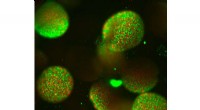
* Amyloplasts: These organelles store starch, a form of carbohydrate energy reserve.
Unique to Animal Cells:
* Lysosomes: Membrane-bound sacs containing digestive enzymes. They break down waste products, cellular debris, and engulfed materials.
* Centrioles: Small, cylindrical structures involved in cell division (mitosis and meiosis). They help organize the microtubules that form the spindle fibers.
* Cilia and Flagella: Hair-like structures that project from the cell surface. Cilia are short and numerous, while flagella are longer and fewer in number. They aid in movement and locomotion.
Key Differences in Common Organelles:
* Vacuoles: While both animal and plant cells have vacuoles, animal cells have small, temporary vacuoles, whereas plant cells have one large, central vacuole.
* Cell Membrane: Both types of cells have cell membranes, but plant cells have an additional cell wall for extra protection.
* Golgi Apparatus: Both cell types have Golgi apparatus, but the Golgi in plant cells might have a different structure and function related to cell wall synthesis.
Remember: These are general distinctions, and there can be exceptions within certain plant and animal species.