Bacteria:
* Bacillus: Commonly found in soil, these bacteria can cause spoilage in a variety of foods, including grains, vegetables, and meats. They can produce toxins that cause illness.
* Clostridium: Another soil-dwelling bacteria, these can cause food spoilage and food poisoning. Some species produce toxins like botulinum, which is highly dangerous.
* Escherichia coli (E. coli): Primarily found in the intestines of animals, this bacterium can contaminate food and cause illness, especially in raw or undercooked meat.
* Listeria monocytogenes: Commonly found in soil and water, this bacterium can survive in refrigeration and cause listeriosis, a serious infection, particularly dangerous for pregnant women, newborns, and people with weakened immune systems.
* Pseudomonas: These bacteria are often found in water and can cause spoilage in a variety of foods, especially meat, fish, and dairy products.
* Salmonella: A common cause of food poisoning, this bacterium is often found in poultry, eggs, and unpasteurized dairy products.
* Staphylococcus aureus: Found on the skin and in the nose of humans, these bacteria can contaminate food through handling and cause staphylococcal food poisoning.
Fungi:
* Molds: Commonly found in soil, air, and water, molds can cause food spoilage in a variety of foods, including fruits, vegetables, breads, and cheeses. Some molds produce toxins that can be harmful to humans.
* Yeasts: These fungi can cause spoilage in foods with high sugar content, such as fruit juices, jams, and honey. They can produce alcohol and carbon dioxide, which can alter the taste and texture of food.
Viruses:
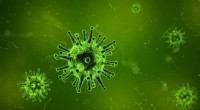
* Norovirus: Highly contagious, this virus is a common cause of foodborne illness and can contaminate a variety of foods, especially through improper handling.
Parasites:
* Cryptosporidium: This parasite can contaminate water and food, causing cryptosporidiosis, a diarrheal illness.
* Toxoplasma gondii: A parasite commonly found in cat feces, this can contaminate meat and cause toxoplasmosis.
Other Factors Contributing to Spoilage:
* Temperature: Microorganisms thrive at different temperatures. Most food spoilage bacteria prefer warm temperatures, so refrigeration is important to slow down their growth.
* Moisture: Microorganisms need water to grow. Food with high moisture content is more susceptible to spoilage.
* Oxygen: Some microorganisms need oxygen to grow, while others can survive in oxygen-free environments.
* pH: The acidity or alkalinity of food can affect the growth of different microorganisms.
* Nutrients: Microorganisms need nutrients to grow. Food with high nutrient content is more susceptible to spoilage.
Preventing Food Spoilage:
* Proper Food Handling: Washing hands thoroughly before handling food, cleaning surfaces, and separating raw meat from other foods can help prevent contamination.
* Refrigeration: Keeping food refrigerated at the correct temperature can slow down the growth of microorganisms.
* Freezing: Freezing food can stop the growth of most microorganisms.
* Cooking to Safe Temperatures: Heating food to the correct internal temperature kills most harmful bacteria.
* Proper Canning and Pickling: These methods can preserve food by creating environments that are not suitable for microbial growth.
Note: The specific types of microorganisms that cause food spoilage can vary depending on the type of food and the environmental conditions. Always follow safe food handling guidelines to minimize the risk of food spoilage and foodborne illness.