1. Basic Life Functions:
* Metabolism: Both cells and humans require energy to survive and grow. They obtain this energy through metabolic processes, breaking down nutrients and converting them into usable forms.
* Growth: Both cells and humans grow and develop over time. Cells divide and multiply, while humans grow from single cells into complex organisms.
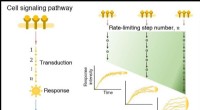
* Response to stimuli: Both cells and humans react to changes in their environment. For example, cells can respond to chemical signals, and humans can react to pain or temperature changes.
* Reproduction: Cells reproduce through cell division, while humans reproduce sexually, passing on genetic information.
2. Organization:
* Hierarchical Structure: Humans are made of trillions of cells organized into tissues, organs, and organ systems. Similarly, cells can be organized into groups for specific functions (like muscle tissue or nervous tissue).
* Communication: Both cells and humans communicate with each other. Cells use chemical signals, while humans communicate through language, body language, and other means.
3. Adaptability:
* Evolution: Both cells and humans have evolved over time, adapting to their environments. Cells can evolve through mutations and natural selection, while humans evolve through cultural and genetic changes.
4. Vulnerability:
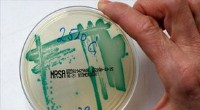
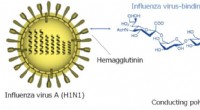
* Disease: Both cells and humans can be affected by disease. Cells can be infected by viruses or bacteria, while humans can suffer from a wide range of illnesses.
Key Differences:
* Complexity: Humans are far more complex than cells, with specialized organ systems and intricate neural networks.
* Consciousness: While cells are capable of responding to stimuli, they do not exhibit the same level of awareness and consciousness that humans possess.
* Scale: Cells are microscopic, while humans are macroscopic.
In Conclusion:
While there are significant differences between cells and humans, the parallels in their basic life functions, organization, and vulnerability reveal fundamental similarities in how life is organized and maintained. Studying cells provides valuable insights into the workings of the human body and the nature of life itself.