While both yeast and bacteria are single-celled microorganisms, they differ significantly in several key ways:
1. Structure:
* Yeast: Eukaryotic cells with a nucleus, membrane-bound organelles, and a cell wall made of chitin.
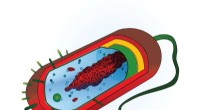
* Bacteria: Prokaryotic cells without a nucleus or membrane-bound organelles, with a cell wall made of peptidoglycan.
2. Size:
* Yeast: Generally larger (5-10 micrometers in diameter)
* Bacteria: Generally smaller (0.5-10 micrometers in diameter)
3. Reproduction:
* Yeast: Typically reproduce asexually through budding, where a new cell grows from the parent cell. Can also reproduce sexually through spores.
* Bacteria: Primarily reproduce asexually through binary fission, where one cell divides into two identical cells.
4. Metabolism:
* Yeast: Can be aerobic (using oxygen) or anaerobic (without oxygen). They are known for their ability to ferment sugars, producing alcohol and carbon dioxide.
* Bacteria: Exhibit a wider range of metabolic pathways, including aerobic, anaerobic, and facultative anaerobic (can switch between the two). Some bacteria can fix nitrogen from the atmosphere.
5. Habitat:
* Yeast: Found in a wide range of environments, including soil, fruits, and the human digestive tract.
* Bacteria: Extremely diverse and found in virtually every environment on Earth, from hot springs to deep sea vents.
6. Benefits and Risks:
* Yeast: Used in baking, brewing, and biofuel production. Certain yeast species are also beneficial for gut health. Some yeasts can cause infections (e.g., Candida albicans).
* Bacteria: Crucial for many ecological processes like nitrogen fixation and decomposition. Used in food production (e.g., yogurt, cheese), pharmaceuticals, and biotechnology. Some bacteria can cause disease (e.g., E. coli, Salmonella).
In summary:
* Yeast are eukaryotic, larger, and generally reproduce through budding, while bacteria are prokaryotic, smaller, and reproduce through binary fission.
* Both have diverse metabolic capabilities, but yeast are known for fermentation, while bacteria have a broader range of metabolic pathways.
* Both can be beneficial or harmful to humans, with yeast primarily used in food production and some causing infections, while bacteria are essential for many ecological processes and can also cause disease.
It's important to note that this is a simplified comparison, and there are many exceptions and variations within both yeast and bacteria.