What Makes a Multicellular Organism?
* Multiple Cells: The defining characteristic – they have many cells working together.
* Specialization: Cells in a multicellular organism aren't all the same. They differentiate (become specialized) to perform specific functions. Examples include muscle cells for movement, nerve cells for communication, and skin cells for protection.
* Tissues and Organs: Specialized cells group together to form tissues, and tissues work together to form organs. These organs then perform complex functions within the organism.
* Communication: Multicellular organisms have ways for cells to communicate with each other, often through chemical signals. This allows coordinated activity and function.
* Larger Size: Multicellularity allows for organisms to grow much larger than single-celled organisms.
Examples:
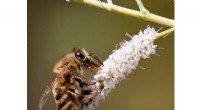
* Animals: Humans, dogs, insects, fish, etc.
* Plants: Trees, flowers, grasses, etc.
* Fungi: Mushrooms, molds, yeasts, etc.
Contrast with Unicellular Organisms:
Single-celled organisms, like bacteria and some algae, carry out all their life functions within a single cell. They don't have tissues, organs, or specialized cell types.
The Evolution of Multicellularity:
Multicellularity is a major evolutionary innovation that has led to the immense diversity of life on Earth. It is thought to have evolved multiple times, with different lineages developing their own unique mechanisms for cellular cooperation.