1. Homologous Structures: These are structures that share a common origin, even if they have different functions. For example, the wing of a bat, the fin of a whale, and the human arm all share the same basic bone structure, suggesting a common ancestor.
2. Vestigial Structures: These are reduced or non-functional structures that were functional in ancestral organisms. For example, the appendix in humans is a vestigial structure that was likely larger and more functional in our herbivorous ancestors.
3. Comparative Embryology: Comparing the embryonic development of different organisms can reveal similarities that are not present in the adults. For example, all vertebrate embryos have gill slits at some point in their development, suggesting a shared aquatic ancestor.
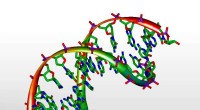
4. Molecular Data (Genetics): Comparing DNA and protein sequences can provide a very detailed and powerful method for inferring evolutionary relationships. The more similar the DNA sequences, the more closely related the organisms are.
5. Biogeography: The geographic distribution of organisms can also provide clues about their evolutionary history. For example, the presence of similar species on islands that are geographically isolated suggests that they may have evolved from a common ancestor.
How these tools work together:
* By combining evidence from these different sources, scientists can create a more complete picture of the evolutionary relationships between organisms.
* These comparisons help scientists to reconstruct the evolutionary history of life on Earth and identify potential common ancestors.
Important Note: It's crucial to remember that these methods don't directly show an ancestor, but rather infer relationships based on shared characteristics. The concept of a "missing link" is often misunderstood - it's unlikely that a single fossil will perfectly bridge the gap between two groups. Instead, the evolutionary history is a complex web of relationships, built upon countless pieces of evidence.