Here's why:
* Autotrophs are organisms that can produce their own food through processes like photosynthesis (using sunlight) or chemosynthesis (using chemical energy).
* Heterotrophs rely on consuming other organisms (plants, animals, or decaying matter) to obtain the energy and nutrients they need to survive.
Examples of heterotrophs include:
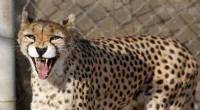
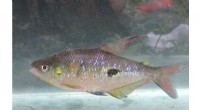
* Animals: Lions, birds, fish, insects
* Fungi: Mushrooms, molds
* Bacteria: Many types of bacteria that decompose dead organisms
Let me know if you'd like more information on autotrophs or heterotrophs!