1. Cellular Structure: All living organisms are made up of cells, the basic unit of life. Whether single-celled (like bacteria) or multicellular (like humans), all life forms exhibit this fundamental organizational principle.
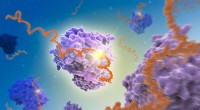
2. Genetic Material: All living organisms use DNA (or RNA in some viruses) as their genetic material. DNA contains the instructions for building and maintaining an organism, passed down from generation to generation.
3. Metabolism: All living organisms carry out metabolic processes, a complex set of chemical reactions that allow them to obtain and use energy, build and break down molecules, and maintain their internal environment.
4. Homeostasis: Living organisms strive to maintain a stable internal environment, even when external conditions change. This balance, called homeostasis, is essential for survival and involves regulating temperature, pH, water balance, and other factors.
5. Growth and Development: All living organisms grow and develop over time. They increase in size and complexity, undergoing changes in form and function as they mature.
6. Reproduction: Living organisms are capable of reproducing, passing on their genetic material to offspring. This ensures the continuation of life and allows for the evolution of species over time.
7. Response to Stimuli: All living organisms respond to their environment. They react to changes in light, temperature, chemicals, and other stimuli, allowing them to adapt and survive.
8. Evolution: Over long periods, living organisms evolve. Their genetic makeup changes in response to environmental pressures, leading to the diversity of life we see today.
These fundamental similarities highlight the interconnectedness of all living organisms on Earth. They share a common evolutionary history, and their shared characteristics are a testament to the underlying principles that govern life.