1. Nucleus:
* DNA: The majority of a cell's DNA is located within the nucleus, organized into chromosomes. This DNA serves as the genetic blueprint for the cell.
* RNA: RNA is synthesized in the nucleus using DNA as a template. Some types of RNA, such as ribosomal RNA (rRNA) and transfer RNA (tRNA), are assembled in the nucleus before being transported to the cytoplasm.
2. Cytoplasm:
* RNA: Messenger RNA (mRNA) carries genetic information from the nucleus to the ribosomes in the cytoplasm, where protein synthesis takes place.
* tRNA: Transfer RNA brings specific amino acids to the ribosomes during protein synthesis.
* rRNA: Ribosomal RNA is a structural component of ribosomes.
3. Mitochondria:
* Mitochondrial DNA (mtDNA): Mitochondria have their own DNA, which encodes for proteins involved in mitochondrial function.
4. Chloroplasts (in plants):
* Chloroplast DNA (cpDNA): Chloroplasts also have their own DNA, which encodes for proteins involved in photosynthesis.
5. Other locations:
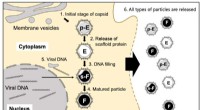
* Viral particles: Viruses contain their own nucleic acid, either DNA or RNA, within their protein coats.
* Ribosomes: Ribosomes are composed of rRNA and proteins.
In summary, nucleic acids are found in a variety of locations within the cell, reflecting their diverse roles in cellular processes.