1. The Central Dogma:
* DNA to RNA (Transcription): The process starts with the DNA molecule containing the genetic code for the enzyme. This code is transcribed into messenger RNA (mRNA).
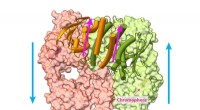
* RNA to Protein (Translation): The mRNA then travels to the ribosomes, where it is translated into a chain of amino acids. This chain folds into a specific three-dimensional structure, creating the functional enzyme protein.
2. Regulation of Enzyme Synthesis:
* Gene Expression: The rate of enzyme synthesis is tightly regulated by various mechanisms, including:
* Induction: Certain molecules can trigger the production of specific enzymes. For example, the presence of lactose induces the synthesis of lactase.
* Repression: Other molecules can suppress the production of enzymes. For instance, the presence of glucose represses the synthesis of lactase.
* Hormonal Control: Hormones can also influence the rate of enzyme synthesis.
* Feedback Inhibition: The end product of an enzymatic pathway can often inhibit the synthesis of the first enzyme in the pathway, ensuring that the pathway is not overactive.
3. Importance of Enzyme Synthesis:
* Metabolism: Enzymes are essential catalysts for metabolic reactions. Without them, reactions would occur too slowly to sustain life.
* Cellular Processes: Enzymes play a vital role in various cellular processes, including:
* DNA replication and repair
* Protein synthesis
* Cellular signaling
* Energy production (ATP synthesis)
* Disease and Health: Disruptions in enzyme synthesis can lead to various diseases, including genetic disorders and metabolic conditions.
4. Factors Affecting Enzyme Synthesis:
* Genetic Makeup: The genes encoding enzymes are inherited from our parents. Variations in these genes can influence enzyme production.
* Nutritional Status: The availability of essential nutrients, like amino acids and vitamins, is crucial for enzyme synthesis.
* Environmental Factors: Factors like temperature, pH, and the presence of toxins can affect enzyme synthesis.
In summary, enzyme synthesis is a complex process involving gene expression, regulation, and protein folding. It is essential for all living organisms to carry out the various metabolic reactions necessary for life.