Here are some examples of organisms that photosynthesize:
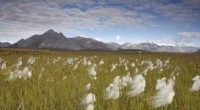
* Plants: The most well-known examples are trees, flowers, grasses, and ferns.
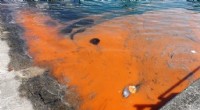
* Algae: These are a diverse group ranging from microscopic single-celled organisms to large seaweed.
* Cyanobacteria: These are bacteria that perform photosynthesis and are responsible for a significant portion of oxygen production on Earth.
It's important to note that while some bacteria and archaea have the ability to capture light energy, they don't use it for photosynthesis. Their mechanisms are different and they are not classified as photoautotrophs.