1. Phospholipids:
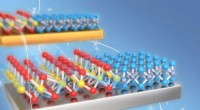
* Structure: Phospholipids are molecules with a hydrophilic (water-loving) head and a hydrophobic (water-fearing) tail.
* Head: Composed of a phosphate group and a glycerol molecule.
* Tail: Made up of two long fatty acid chains.
* Arrangement: The phospholipids spontaneously arrange themselves into a bilayer with the hydrophilic heads facing the watery environments inside and outside the cell, while the hydrophobic tails face each other in the middle of the membrane. This creates a selectively permeable barrier that allows certain molecules to pass through while preventing others.
2. Other Components:
* Cholesterol: This lipid molecule helps maintain the fluidity and stability of the membrane. It prevents the phospholipid tails from becoming too tightly packed at low temperatures and prevents them from becoming too fluid at high temperatures.
* Proteins: These molecules are embedded within the phospholipid bilayer and perform various functions:
* Integral proteins: Span the entire membrane and act as channels, pumps, or receptors for transporting molecules across the membrane.
* Peripheral proteins: Attached to the surface of the membrane and play roles in cell signaling, recognition, and anchoring.
* Carbohydrates: These sugar molecules are attached to lipids (glycolipids) or proteins (glycoproteins) on the outer surface of the membrane. They play roles in cell recognition, adhesion, and communication.
Overall, the cell membrane is a dynamic, fluid structure composed of various components that work together to control the passage of molecules in and out of the cell, and participate in a variety of cellular processes.