1. Cell Wall: A rigid outer layer that provides structural support and protection. It's made primarily of cellulose.
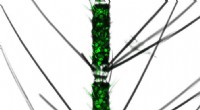
2. Chloroplasts: These organelles contain chlorophyll, the pigment that absorbs sunlight for photosynthesis. They are responsible for converting light energy into chemical energy (sugars).
3. Large Central Vacuole: A large, fluid-filled sac that takes up most of the cell's volume. It stores water, nutrients, and waste products, and helps maintain cell shape.
While some animal cells may have small vacuoles, they don't have the prominent large central vacuole like plant cells.