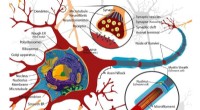
Here's a breakdown of the process:
1. Transcription of rRNA genes:
* The genes encoding ribosomal RNA (rRNA) are located within the nucleolus, a specialized region within the nucleus.
* These genes are transcribed by RNA polymerase I, producing a large precursor rRNA molecule.
2. rRNA processing:
* The precursor rRNA molecule is then processed through a series of steps:
* Cleavage: The precursor is cleaved into smaller rRNA molecules (18S, 5.8S, and 28S in eukaryotes).
* Modification: Chemical modifications, such as methylation and pseudouridylation, are added to the rRNA molecules.
* Assembly: The processed rRNA molecules assemble with ribosomal proteins to form ribosomal subunits.
3. Ribosomal protein synthesis:
* The genes encoding ribosomal proteins are transcribed by RNA polymerase II in the nucleus.
* These mRNAs are then transported to the cytoplasm, where they are translated into ribosomal proteins.
4. Assembly of ribosomal subunits:
* In the nucleolus, the processed rRNA molecules and ribosomal proteins assemble to form two ribosomal subunits:
* The small subunit (40S in eukaryotes) contains the 18S rRNA molecule.
* The large subunit (60S in eukaryotes) contains the 5.8S, 28S, and 5S rRNA molecules.
5. Transport to the cytoplasm:
* The assembled ribosomal subunits are then transported from the nucleus to the cytoplasm through nuclear pores.
6. Ribosome assembly and function:
* In the cytoplasm, the small and large subunits come together to form a functional ribosome.
* The ribosome binds to mRNA and translates the genetic code into proteins.
Summary:
Ribosomes are produced through a multi-step process involving the transcription, processing, and assembly of rRNA and ribosomal proteins within the nucleus. The assembled subunits are then transported to the cytoplasm where they join together to form functional ribosomes that translate mRNA into proteins.
This intricate process is tightly regulated to ensure the accurate and efficient production of ribosomes, which are essential for all cellular functions.