1. Energy Production and Utilization (Metabolism):
* Cellular Respiration: This process, primarily occurring in mitochondria, breaks down glucose to generate ATP, the cell's energy currency. It relies on a complex series of chemical reactions involving enzymes and electron carriers.
* Photosynthesis: In plant cells, this process converts light energy into chemical energy stored in glucose. It's essential for producing the starting material for respiration in all organisms.
* Anabolism and Catabolism: These processes build up (anabolism) and break down (catabolism) molecules. Both are crucial for cellular growth, repair, and energy production, and rely heavily on the availability of ATP and specific enzymes.
2. Protein Synthesis and Function:
* DNA Replication and Transcription: These processes create copies of the genetic code, enabling cell division and protein synthesis.
* Translation: This process converts the genetic code into proteins. It requires ribosomes, tRNA, and mRNA, and is highly dependent on energy from ATP.
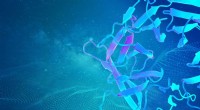
* Protein Folding and Modification: After translation, proteins must fold into their correct 3D shape for proper function. This process often requires chaperone proteins and is influenced by the cellular environment.
3. Membrane Transport and Signaling:
* Active Transport: Cells maintain specific ion gradients and transport essential molecules across their membranes using energy from ATP.
* Passive Transport: Movement of molecules across membranes down their concentration gradients, though influenced by the membrane's composition, depends on the concentration differences established by active transport.
* Signal Transduction: Cells receive and respond to external signals, triggering specific changes in their internal environment. This involves a cascade of chemical reactions and often relies on protein modifications.
4. Cell Division and Growth:
* Cell Cycle Regulation: Cells undergo a cycle of growth and division, carefully controlled by signaling molecules and enzymes. This process requires the precise coordination of many chemical reactions.
* DNA Repair: Cells have mechanisms to repair damaged DNA, preventing mutations and ensuring accurate replication. These processes require specialized enzymes and energy.
Interdependence:
It's essential to note that all these chemical activities are highly interconnected. For example, energy produced through respiration is required for protein synthesis, membrane transport, and cell division. Similarly, signal transduction pathways can influence gene expression, protein synthesis, and even cellular metabolism.
Ultimately, it's the intricate interplay of these chemical activities that determines the life and function of a cell.