1. Obtaining Energy:
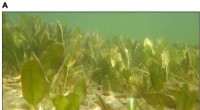
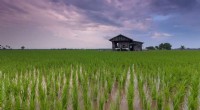
* Photosynthesis: Plants, algae, and some bacteria use sunlight, water, and carbon dioxide to create glucose (a sugar) and oxygen. This process stores energy from the sun in chemical bonds of glucose.
* Cellular Respiration: Most organisms, including animals, plants, fungi, and bacteria, break down glucose (or other energy-rich molecules) in the presence of oxygen to release energy. This energy is stored in the form of ATP (adenosine triphosphate), which is the primary energy currency of cells.
2. Releasing Energy:
* ATP Hydrolysis: The chemical bonds in ATP are broken, releasing energy that can be used for various cellular processes, such as muscle contraction, protein synthesis, and active transport.
Key Points:
* Anabolism: Metabolic reactions that build complex molecules from simpler ones, requiring energy (e.g., photosynthesis).
* Catabolism: Metabolic reactions that break down complex molecules into simpler ones, releasing energy (e.g., cellular respiration).
* Energy Flow: The energy from the sun is captured by photosynthetic organisms and then flows through ecosystems as organisms consume each other.
Summary:
Organisms obtain energy from the environment through photosynthesis or by consuming other organisms. This energy is then stored in chemical bonds of molecules like glucose and ATP. When needed, these molecules are broken down to release energy for various cellular processes. This constant cycle of energy acquisition and release is essential for life.