Here's why:
* Prokaryotes (bacteria and archaea) have a single circular chromosome located in a region of the cytoplasm called the nucleoid. This chromosome is not enclosed within a membrane-bound nucleus.
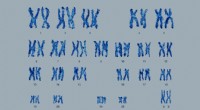
* Eukaryotes (animals, plants, fungi, and protists) have multiple linear chromosomes enclosed within a membrane-bound nucleus.
Key Features of Prokaryotic DNA:
* Circular: The DNA molecule is a continuous loop.
* Single chromosome: They have only one chromosome, though they may have additional smaller circular DNA molecules called plasmids.
* Located in the nucleoid: The chromosome is not enclosed within a nucleus but is located in a specific region of the cytoplasm.
* Supercoiled: The circular chromosome is supercoiled to fit within the cell.
* Attached to the cell membrane: The chromosome is attached to the cell membrane, which helps with DNA replication.
Examples of Prokaryotes:
* Escherichia coli (bacteria)
* Streptococcus pneumoniae (bacteria)
* Halobacterium salinarum (archaea)
It's important to note that while a single circular chromosome is a defining characteristic of prokaryotes, there are exceptions. Some prokaryotes have multiple chromosomes, and some eukaryotes have circular DNA molecules, such as in mitochondria and chloroplasts.