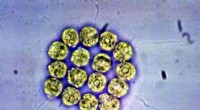
Microorganisms, often invisible to the naked eye, play crucial roles in our world, from fueling ecosystems to powering industries. Here are some common types and their applications:
1. Bacteria:
* Types: Diverse, including *E. coli*, *Lactobacillus*, *Streptococcus*, and *Bacillus*.
* Uses:
* Food production: Fermentation for yogurt, cheese, bread, pickles, vinegar, and soy sauce.
* Bioremediation: Degrading pollutants like oil spills and sewage.
* Biotechnology: Producing antibiotics, enzymes, biofuels, and pharmaceuticals.
* Agriculture: Fixing nitrogen in soil, improving crop yields, and pest control.
* Medical research: Understanding disease mechanisms and developing new therapies.
2. Fungi:
* Types: Yeasts, molds, and mushrooms.
* Uses:
* Food production: Bread, beer, wine, and cheese.
* Medicine: Antibiotics (penicillin), immunosuppressants, and statins.
* Biotechnology: Producing enzymes, biofuels, and pharmaceuticals.
* Agriculture: Mycorrhizal fungi improving plant growth and nutrient uptake.
* Environmental applications: Bioremediation of pollutants and biocontrol of pests.
3. Viruses:
* Types: Diverse, categorized by their structure and genetic material.
* Uses:
* Biotechnology: Developing gene therapy vectors, vaccines, and diagnostics.
* Research: Studying cellular processes and gene regulation.
* Phage therapy: Utilizing bacteriophages to combat bacterial infections.
* Nanotechnology: Developing nanoscale materials and devices.
4. Protozoa:
* Types: Amoebas, ciliates, flagellates, and sporozoans.
* Uses:
* Environmental: Decomposers and food sources in aquatic ecosystems.
* Agriculture: Controlling pests and enhancing soil fertility.
* Research: Studying cell biology and evolutionary processes.
* Biotechnology: Producing biofuels and pharmaceuticals.
5. Algae:
* Types: Green algae, brown algae, red algae, and diatoms.
* Uses:
* Food production: Seaweed for food and supplements.
* Biofuel production: Algae can produce biofuels like biodiesel and ethanol.
* Cosmetics: Extracts used in skincare and hair products.
* Bioremediation: Removing pollutants from wastewater.
* Environmental monitoring: Sensitive to pollution and climate change.
6. Archaea:
* Types: Diverse, often extremophiles living in harsh environments.
* Uses:
* Biotechnology: Enzymes extracted for industrial applications.
* Bioremediation: Degrading pollutants in extreme environments.
* Research: Studying origins of life and unique metabolic pathways.
Important Note: While microorganisms offer numerous benefits, some can also cause diseases in humans, animals, and plants. Therefore, understanding their characteristics and potential risks is crucial for their safe and effective utilization.