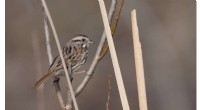
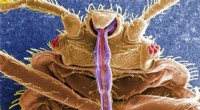
* All living organisms: from microscopic bacteria to giant sequoia trees, encompassing all plants, animals, fungi, and microorganisms.
* The physical environment: This includes the atmosphere (air), hydrosphere (water), and lithosphere (earth), where life exists and interacts.
Here's a breakdown of key aspects of the biosphere:
1. Interconnectedness: The biosphere is a complex network of interconnected systems. Organisms depend on each other for food, shelter, and other resources, and they also interact with the physical environment.
2. Dynamic equilibrium: The biosphere is in a state of dynamic equilibrium, meaning that it is constantly changing but also maintaining a balance. Processes like photosynthesis, respiration, and nutrient cycling help maintain this equilibrium.
3. Life support system: The biosphere provides essential life support systems for all organisms, including clean air, water, and food.
4. Global scale: The biosphere encompasses the entire planet, with life existing in a wide range of environments, from the deepest ocean trenches to the highest mountain peaks.
5. Evolution and adaptation: Life in the biosphere has evolved and adapted over millions of years to survive in diverse environments.
Understanding the biosphere is crucial for:
* Conservation efforts: Protecting biodiversity and ecosystems is essential for the health and well-being of the planet.
* Climate change mitigation: The biosphere plays a vital role in regulating the Earth's climate, and understanding its functioning is critical for addressing climate change.
* Sustainable development: Sustainable development practices aim to meet human needs without compromising the ability of future generations to meet their own needs, and this requires understanding the biosphere's limits and capabilities.
In essence, the biosphere is a complex and interconnected system that encompasses all life on Earth and its interactions with the physical environment. Its understanding is crucial for our well-being and the future of the planet.