Here's how it works:
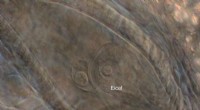
* Outgrowth: A small bud, or outgrowth, forms on the parent organism.
* Development: The bud develops, growing and eventually forming structures similar to the parent.
* Separation: The bud detaches from the parent, becoming an independent organism.
Organisms that reproduce by budding include:
* Yeast: Single-celled fungi that bud off smaller yeast cells.
* Hydra: A freshwater polyp that produces buds on its body.
* Sponges: Some species of sponges produce buds that can develop into new sponges.
* Coral: Coral polyps reproduce by budding, forming colonies of coral.
Key points:
* Budding is a form of asexual reproduction, meaning only one parent is involved.
* The offspring are genetically identical to the parent.
* Budding is a relatively simple and efficient way for organisms to reproduce.
Let me know if you have any other questions about budding or asexual reproduction!