Plants:
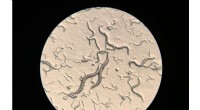
* Starch: Plants primarily store energy as starch, a complex carbohydrate made of glucose molecules. Starch is highly branched and compact, allowing plants to store a large amount of energy in a relatively small space.
* Sunlight: Plants are primary producers, meaning they make their own food through photosynthesis. This process uses sunlight, water, and carbon dioxide to produce glucose, which is then converted into starch for storage.
* Immobility: Plants are stationary organisms. They don't need to move around to find food or escape predators, so they can afford to store a relatively bulky energy source like starch.
Animals:
* Glycogen: Animals store energy primarily as glycogen, another complex carbohydrate made of glucose. Glycogen is similar to starch, but it is more highly branched and compact, allowing for rapid release of energy when needed.
* Mobility: Animals are mobile organisms. They need to be able to move quickly to find food, avoid predators, and reproduce. Therefore, they need a more readily available and transportable energy source than starch.
* Fat: Animals also store energy as fat, which is a more concentrated energy source than glycogen. Fat is also easier to store and transport than glycogen. Animals use fat for long-term energy storage and insulation.
Why not both?
While both glycogen and fat are present in animals, glycogen is more readily available for quick energy needs, while fat is more efficient for long-term storage. This is because glycogen is water-soluble, meaning it can be quickly broken down and transported in the bloodstream, while fat is not.
In summary, the different energy storage strategies of plants and animals reflect their different lifestyles and needs. Plants rely on starch for long-term energy storage, while animals use glycogen and fat for both quick and long-term energy needs, respectively.