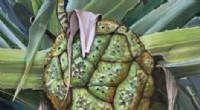
Plants: Producers
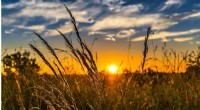
* Photosynthesis: Plants are the primary producers in most ecosystems. They have the unique ability to convert sunlight, water, and carbon dioxide into their own food (glucose) through a process called photosynthesis. This means they don't need to eat other organisms to survive.
* Energy source: Plants are the foundation of the food chain, providing the initial energy source for all other organisms. They are the "base" that supports life.
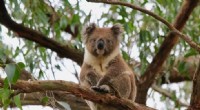
Animals: Consumers
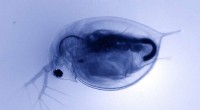
* Heterotrophic: Animals are unable to produce their own food and must obtain it from other sources.
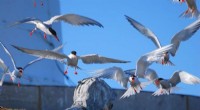
* Eating plants or other animals: They eat plants (herbivores) or other animals (carnivores) or a combination of both (omnivores). This means they rely on producers for their energy and nutrients.
* Consumers in the food chain: They play a role in moving energy up through the food chain by consuming other organisms.
In simple terms:
* Producers: Make their own food from sunlight.
* Consumers: Get their food by eating other organisms.