Here's a breakdown of what photosynthetic tissue does:
* Absorbs light: The tissue contains chlorophyll, a green pigment that absorbs sunlight, specifically red and blue wavelengths, while reflecting green light. This is why plants appear green.
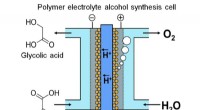
* Converts light energy: The absorbed light energy is used to split water molecules (H₂O), releasing oxygen (O₂) as a byproduct. The electrons from the water molecules are then used to power the production of glucose (C₆H₁₂O₆), a simple sugar, from carbon dioxide (CO₂) in the air.
* Stores energy: The glucose produced during photosynthesis serves as the plant's primary source of energy and building blocks for growth. It can be stored as starch for later use.
Key structures within the photosynthetic tissue:
* Mesophyll cells: These are the primary cells responsible for photosynthesis. They contain chloroplasts, the organelles where the process takes place.
* Chloroplasts: These are organelles within mesophyll cells that house chlorophyll and other components necessary for photosynthesis.
* Stomata: Tiny pores on the leaf surface that allow for the intake of carbon dioxide and the release of oxygen.
In summary, photosynthetic tissue is the powerhouse of plants, responsible for harnessing the energy of sunlight and converting it into food for the plant and ultimately for the entire food chain.