1. DNA Replication: The source of identical DNA
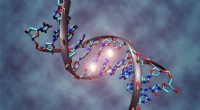
* When a cell divides, it copies its entire DNA through a process called replication. This ensures that each new daughter cell gets a complete copy of the genome.
* This process is incredibly accurate, resulting in nearly identical DNA in each daughter cell.
2. Exceptions to the Rule: Differences in DNA
* Mutations: While replication is accurate, occasional errors do occur, leading to mutations in the DNA. These mutations can be random or caused by environmental factors. This is one reason why siblings, though having the same genome, can have different traits.
* Cell Differentiation: During development, cells specialize into different types (muscle cells, nerve cells, etc.). This specialization is achieved through the regulation of gene expression – which genes are turned "on" or "off". This doesn't change the underlying DNA sequence, but it alters the proteins produced and therefore the cell's function.
* Immune System: Cells of the immune system (B cells and T cells) undergo a process called V(D)J recombination. This rearranges specific segments of DNA within genes that code for immune receptors, creating a vast diversity of receptors capable of recognizing different antigens.
In summary:
* All cells in an organism share the same genome, meaning they have the same set of genetic instructions.
* This genome is replicated faithfully during cell division, ensuring that most cells have near-identical DNA.
* However, mutations and cell differentiation can create variations in the DNA within an organism.
Therefore, while all cells in an organism start with the same DNA, they might not end up with exactly the same sequence due to the factors mentioned above.