* A sugar: This is either deoxyribose (in DNA) or ribose (in RNA).
* A phosphate group: This is attached to the sugar.
* A nitrogenous base: This is a molecule that contains nitrogen and is responsible for the unique coding properties of DNA and RNA. There are five main nitrogenous bases: adenine (A), guanine (G), cytosine (C), thymine (T), and uracil (U).
How the nucleotides are linked:
The nucleotides are linked together in a chain by phosphodiester bonds. These bonds form between the phosphate group of one nucleotide and the sugar of the next nucleotide. This creates a long, linear polymer of alternating sugar-phosphate backbones.
Types of nucleic acid polymers:
There are two main types of nucleic acid polymers:
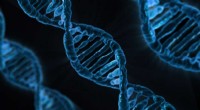
* DNA (deoxyribonucleic acid): DNA is the genetic material found in all living organisms. It is a double-stranded helix, with the two strands held together by hydrogen bonds between the nitrogenous bases.
* RNA (ribonucleic acid): RNA is involved in the process of protein synthesis. It is typically single-stranded, but can fold into complex structures.
Functions of nucleic acid polymers:
Nucleic acid polymers play vital roles in cellular function:
* Storing genetic information: DNA stores the genetic code for an organism, passed down from generation to generation.
* Expressing genetic information: RNA is involved in the transcription of DNA into protein, which carries out the functions of a cell.
* Regulating gene expression: Specific RNA molecules (e.g., microRNAs) can regulate the expression of genes.
* Acting as catalysts: Some RNA molecules, called ribozymes, can act as catalysts in biological reactions.
In summary, a nucleic acid polymer is a long chain of nucleotides that serves as the fundamental building block for genetic information and is essential for all life processes.