1. Energy Flow and Nutrient Cycling:
* Food Webs: Interactions form intricate food webs where organisms rely on each other for food. Producers (plants) convert sunlight into energy, which is passed along to consumers (herbivores, carnivores) and decomposers (fungi, bacteria) that break down dead organisms, recycling nutrients back into the ecosystem.
* Nutrient Cycling: Interactions like nitrogen fixation by bacteria and decomposition by fungi ensure the continuous cycling of essential nutrients like nitrogen, phosphorus, and carbon, making them available for future generations of organisms.
2. Population Regulation and Biodiversity:
* Predator-Prey Interactions: Predators help regulate prey populations, preventing overgrazing and maintaining biodiversity. This prevents the extinction of species and ensures a balance in the ecosystem.
* Competition: Competition for resources like food, space, and mates forces species to adapt and evolve, leading to increased biodiversity and resilience to change.
* Symbiosis: Mutualistic relationships, where both organisms benefit, like pollination by insects or nitrogen fixation by bacteria in plant roots, are crucial for the survival and success of many species.
3. Ecosystem Services:
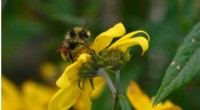
* Pollination: Interactions between plants and pollinators are essential for plant reproduction, leading to seed production and food for other organisms.
* Seed dispersal: Animals that eat fruits and disperse seeds help plants spread to new areas, increasing biodiversity and the resilience of ecosystems.
* Waste Decomposition: Decomposers break down dead organisms and waste, releasing nutrients back into the soil, which supports plant growth and the entire ecosystem.
4. Evolution and Adaptation:
* Co-evolution: Interactions between species can drive evolutionary change, as organisms adapt to the presence and behavior of other species. For example, the evolution of flowers and pollinators is a classic example of co-evolution.
* Natural Selection: Interactions with other organisms provide the selective pressures that drive natural selection, favoring individuals with traits that enhance their survival and reproduction in a specific environment.
5. Human Well-being:
* Food Production: Interactions between humans and other organisms are fundamental to agriculture, providing us with food.
* Medicine: Many medicines are derived from plants and animals, showcasing the importance of biodiversity and understanding interactions between organisms.
* Environmental Stability: Healthy ecosystems, maintained by complex interactions, provide us with essential services like clean air and water, flood control, and climate regulation.
In conclusion, the intricate web of interactions between living organisms is fundamental to the functioning of life on Earth. Understanding and appreciating these relationships is essential for maintaining biodiversity, preserving ecosystems, and ensuring the well-being of future generations.