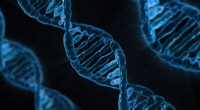
1. DNA Replication: Before division, the cell duplicates its entire genome, creating two identical copies of DNA.
2. Histone Modification: DNA is wrapped around proteins called histones, forming nucleosomes. These nucleosomes are further organized into higher-order structures. During condensation, chemical modifications to histones, such as acetylation and methylation, occur, altering the accessibility of DNA and triggering compaction.
3. Chromatin Looping and Scaffolding: The DNA strands loop and fold, forming a complex three-dimensional structure. Specialized proteins, like condensins and cohesins, help form loops and scaffold the DNA, creating a highly condensed and organized state.
4. Chromosome Formation: The compacted DNA strands, along with associated proteins, form visible structures called chromosomes. Each chromosome has a centromere, a constricted region where sister chromatids (the two identical DNA copies) are held together.
5. Condensation and Separation: As the cell progresses through division, the chromosomes continue to condense further, becoming even more tightly packed. This compaction ensures that the chromosomes can be easily separated during cell division, ensuring that each daughter cell receives a complete copy of the genome.
Key points to remember:
* Chromatin condensation is a dynamic process: It's not a static event but involves continuous adjustments in the organization of DNA and associated proteins.
* Condensation is regulated by various factors: Including cell cycle checkpoints, signaling pathways, and environmental stimuli.
* Proper chromosome packaging is crucial for cell division: Ensuring accurate segregation of genetic material to daughter cells.
Consequences of improper condensation:
* Aneuploidy: An abnormal number of chromosomes in a cell, often leading to developmental defects or diseases.
* Chromosomal instability: Increased rate of chromosome loss or gain, contributing to cancer development.
Understanding the intricate process of DNA packaging is essential for comprehending the mechanisms of cell division and its implications for cellular function and health.