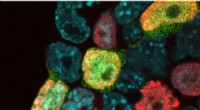
The nucleus is the control center of the eukaryotic cell, housing the genetic material (DNA) and regulating cellular activities. It's often described as the "brain" of the cell.
Function:
* Stores and protects genetic information: DNA, the blueprint for all cellular functions, is organized into chromosomes within the nucleus.
* Transcription: The nucleus is the site of transcription, where DNA is copied into RNA. This RNA then carries the genetic instructions to the ribosomes for protein synthesis.
* Ribosome biogenesis: The nucleus produces ribosomes, the cellular machines responsible for protein synthesis.
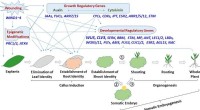
* Cellular regulation: The nucleus controls and coordinates all cellular activities by regulating gene expression.
Molecular Composition:
The nucleus is a complex structure composed of:
1. Nuclear Envelope:
* Double membrane: A double lipid bilayer that separates the nucleus from the cytoplasm.
* Nuclear pores: Channels within the membrane that allow the passage of molecules (RNA, proteins, etc.) in and out of the nucleus.
* Nuclear lamina: A meshwork of protein filaments that supports the nuclear envelope and helps organize the chromatin.
2. Nucleoplasm:
* Gel-like substance: A semi-fluid material within the nuclear envelope, containing:
* Chromatin: The complex of DNA and proteins (histones) that make up chromosomes.
* Nucleolus: A dense region within the nucleus responsible for ribosome synthesis.
* Other proteins and enzymes: Enzymes involved in DNA replication, transcription, and other nuclear processes.
3. Chromosomes:
* DNA molecules: Long, linear strands of DNA that carry genetic information.
* Histones: Proteins that help organize and package DNA into compact structures.
* Gene regulation: Chromosomes are organized in a way that allows specific genes to be accessed and expressed as needed.
4. Nucleolus:
* Ribosome factory: A dense region within the nucleus responsible for synthesizing ribosomal RNA (rRNA) and assembling ribosome subunits.
* rRNA production: The nucleolus contains the genes for rRNA and has the machinery to transcribe and process rRNA.
* Ribosome assembly: rRNA combines with ribosomal proteins to form the two subunits of ribosomes.
In summary, the nucleus is a highly organized and dynamic organelle that plays a crucial role in cellular life. It stores and protects genetic information, controls gene expression, and coordinates various cellular activities. Its intricate molecular composition allows it to perform these vital functions efficiently.