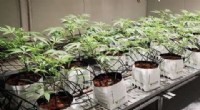
Photosynthetic Producers:
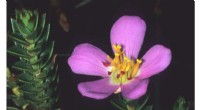
* Plants: Trees, flowers, grasses, ferns, mosses, algae (including seaweed)
* Phytoplankton: Microscopic algae found in aquatic environments, a crucial source of food for many aquatic animals.
* Cyanobacteria: Single-celled organisms that can photosynthesize. They were crucial in creating the oxygen-rich atmosphere we have today.
Chemosynthetic Producers:
* Some bacteria: These organisms live in harsh environments like deep sea vents or volcanic hot springs and produce their own food using energy from chemical reactions.
Key Takeaway: All producers are essential for life on Earth because they form the base of food chains and ecosystems. They convert sunlight or chemical energy into usable energy for other organisms.