Chromosomes: The Blueprint
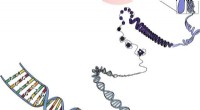
* What they are: Chromosomes are thread-like structures found within the nucleus of every cell. They are made up of DNA (deoxyribonucleic acid) tightly coiled around proteins.
* Their role: Chromosomes carry the genetic instructions for building and maintaining an organism. They are passed down from parents to offspring.
* Human chromosomes: Humans have 23 pairs of chromosomes (46 total). One chromosome from each pair is inherited from the mother, and the other from the father.
Genes: The Instructions
* What they are: Genes are segments of DNA that contain the code for specific traits. Think of them like individual chapters within the larger "book" of a chromosome.
* Their role: Genes provide instructions for building proteins, which are the workhorses of our cells. Proteins determine many of our physical characteristics (like eye color, hair color, height) and biological processes.
* Location: Genes are located at specific positions on a chromosome called loci (singular: locus).
Alleles: The Variations
* What they are: Alleles are alternative forms of a gene. Imagine you have a gene for eye color, but there are multiple versions of this gene (blue, brown, green). These versions are alleles.
* Their role: Alleles account for variations in traits within a species. They are responsible for the differences between individuals.
* Inheritance: You inherit one allele from each parent for each gene.
* Dominance: Some alleles are dominant, meaning they express their trait even if only one copy is present. Others are recessive, requiring two copies for their trait to be expressed.
Putting it all Together
1. Chromosomes: Carry the genetic blueprint organized into chapters (genes).
2. Genes: Provide instructions for specific traits, but can exist in different forms (alleles).
3. Alleles: Represent the different versions of a gene, leading to variations in traits.
Example
* Chromosome: A chromosome might contain a gene for eye color.
* Gene: The eye color gene can have different versions (alleles).
* Alleles: You might have one allele for brown eyes and one allele for blue eyes. If the brown eye allele is dominant, you will have brown eyes.
This complex interplay between chromosomes, genes, and alleles is what creates the incredible diversity of life on Earth.