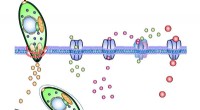
1. Substrate: This is the specific molecule that the enzyme acts upon. Enzymes are highly specific, meaning each enzyme typically only binds to and interacts with one or a very small number of substrates.
2. Optimal Temperature and pH: Enzymes have an optimal temperature and pH range at which they function best. Outside of this range, their activity decreases.
3. Cofactors: Some enzymes require additional non-protein molecules called cofactors to function properly. These can be:
* Metal ions: Iron, zinc, magnesium, etc.
* Coenzymes: Organic molecules like vitamins or their derivatives.
4. Proper Conformation: Enzymes are proteins with a specific three-dimensional shape. This shape is essential for their activity, as it allows them to bind to the substrate and catalyze the reaction.
5. Absence of Inhibitors: Inhibitors are molecules that can bind to an enzyme and decrease its activity. These can be competitive, non-competitive, or uncompetitive.
Here's a simplified way to think about it:
Imagine an enzyme as a lock, and the substrate as a key. For the lock to work (for the enzyme to function), it needs the correct key (substrate) to fit into it. Additionally, the environment needs to be suitable (optimal temperature and pH) and there can't be any jammed keys (inhibitors) in the lock.
In summary, enzymes need the right substrate, the right environment, and often additional molecules (cofactors) to function efficiently.