1. Growth and Development:
* Multicellular organisms: As an organism grows, its cells divide to increase the number of cells, leading to an overall increase in size.
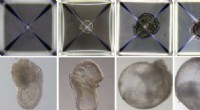
* Embryonic development: After fertilization, a single cell (zygote) undergoes repeated cell divisions to form all the different types of cells that make up an organism.
2. Repair and Regeneration:
* When cells are damaged or lost due to injury, disease, or normal wear and tear, cell division helps to replace them. This is crucial for healing wounds and maintaining tissue integrity.
* Some tissues, like the skin and blood, are constantly being renewed through cell division.
3. Reproduction:
* Single-celled organisms: Cell division is the primary mode of reproduction for organisms like bacteria and amoeba.
* Sexual reproduction: In many organisms, specialized cells called gametes (sperm and egg) are produced through cell division for sexual reproduction.
4. Maintaining Tissue Function:
* Constant renewal: Certain tissues, like the lining of the digestive tract, are constantly replaced by new cells, ensuring their continued function.
* Specialized cell types: Some cells, like blood cells, have a limited lifespan and need to be replaced regularly through cell division.
5. Maintaining Homeostasis:
* Cell division helps to maintain a stable internal environment by replacing damaged or worn-out cells.
* This ensures the organism can continue to function properly.
In summary, cell division is a fundamental process essential for life. It enables growth, repair, reproduction, tissue maintenance, and overall homeostasis in all living organisms.