Key Players in Protein Synthesis:
1. DNA (Deoxyribonucleic Acid):
- Location: Nucleus
- Role: Contains the genetic instructions (genes) for building proteins. These instructions are in the form of a sequence of nucleotides.
- How it works: DNA provides the template for mRNA.
2. mRNA (Messenger RNA):
- Location: Nucleus (transcribed from DNA), then moves to the cytoplasm
- Role: Carries the genetic code from DNA in the nucleus to the ribosomes in the cytoplasm.
- How it works: A copy of the DNA sequence is made (transcription), and this copy is carried to the ribosomes.
3. Ribosomes:
- Location: Cytoplasm (some are attached to the endoplasmic reticulum, others are free-floating)
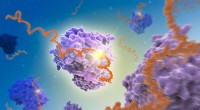
- Role: The sites of protein synthesis. They read the mRNA code and assemble amino acids into polypeptide chains.
- How it works: Ribosomes use the mRNA sequence as a blueprint to bring together specific amino acids, linking them together to form a protein chain.
4. tRNA (Transfer RNA):
- Location: Cytoplasm
- Role: Transports specific amino acids to the ribosomes during protein synthesis.
- How it works: Each tRNA molecule has an anticodon that matches a specific codon on the mRNA, ensuring the correct amino acid is brought to the ribosome.
5. Amino Acids:
- Location: Cytoplasm
- Role: Building blocks of proteins.
- How it works: Ribosomes use tRNA to add the amino acids in the correct order, following the mRNA instructions.
Where the Parts Are Made:
* DNA: Replicated within the nucleus, with components synthesized throughout the cell.
* mRNA: Transcribed from DNA within the nucleus.
* Ribosomes: Assembled in the nucleolus (a structure within the nucleus), then move into the cytoplasm.
* tRNA: Synthesized and processed within the cytoplasm.
* Amino Acids: Derived from food we consume and processed within the body.
Summary:
Protein synthesis is a complex process that involves multiple cell components working together. DNA provides the instructions, mRNA carries them to the ribosomes, tRNA delivers the building blocks (amino acids), and ribosomes assemble everything into a protein.