1. Specialization and Division of Labor:
* Multicellular organisms have specialized cells that perform specific functions, leading to a more efficient and coordinated life.
* This allows for the repair and replacement of damaged cells without compromising the organism's overall function.
* Unicellular organisms have to perform all functions within a single cell, making them more vulnerable to damage and stress.
2. Genetic Complexity and Redundancy:
* Multicellular organisms have more complex genomes with greater genetic redundancy.
* This means that even if one gene is damaged, there may be a backup copy, protecting the organism from lethal mutations.
* Unicellular organisms have less genetic redundancy, making them more susceptible to mutations that can be fatal.
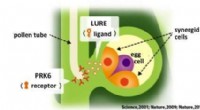
3. Cellular Communication and Coordination:
* Multicellular organisms have complex signaling pathways and communication systems that allow cells to coordinate their activities.
* This enables coordinated growth, repair, and defense mechanisms.
* Unicellular organisms lack these complex communication systems, limiting their ability to respond effectively to environmental challenges.
4. Internal Environment Maintenance:
* Multicellular organisms have internal environments that are regulated and maintained within specific ranges, protecting cells from external stressors.
* This includes maintaining body temperature, pH levels, and nutrient availability.
* Unicellular organisms are directly exposed to the external environment, making them more susceptible to fluctuations and damage.
5. Physical Protection:
* Many multicellular organisms have physical structures like exoskeletons, shells, or skin that protect them from environmental threats.
* This provides a buffer against physical damage and predation.
* Unicellular organisms lack these protective structures, leaving them more vulnerable.
6. Evolutionary Advantages:
* Multicellularity evolved as a response to environmental pressures, offering advantages like larger size, increased complexity, and greater adaptability.
* These advantages, including longer lifespans, allowed multicellular organisms to diversify and thrive.
It's important to note:
* While multicellular organisms generally live longer, there are exceptions. Some unicellular organisms, like bacteria, can have surprisingly long lifespans when compared to certain short-lived multicellular organisms.
* The lifespan of an organism is also influenced by factors like environmental conditions, predation, and disease.
In summary, multicellular organisms have evolved complex mechanisms that contribute to longer lifespans, including specialization, genetic redundancy, cellular communication, internal environment maintenance, physical protection, and evolutionary advantages.