Reproductive isolation is the biological process that prevents members of different species from interbreeding and producing viable, fertile offspring. It's a key mechanism in the formation of new species (speciation) and helps maintain the distinct characteristics of existing species.
Imagine a large population of animals. Over time, this population can be divided into smaller groups by various factors like geographic barriers (mountains, rivers) or differences in habitat preferences. These groups evolve independently, accumulating different genetic changes. If these genetic changes lead to reproductive isolation, they are no longer able to interbreed successfully, ultimately becoming distinct species.
There are two main types of reproductive isolation:
1. Prezygotic Isolation: This occurs before the formation of a zygote (fertilized egg):
* Habitat Isolation: Species live in different habitats and rarely encounter each other, even if within the same geographic area. (e.g., a forest-dwelling bird and a meadow-dwelling bird).
* Temporal Isolation: Species breed at different times of day, year, or seasons, preventing interbreeding. (e.g., spring-blooming flowers and summer-blooming flowers).
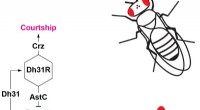
* Behavioral Isolation: Species have different courtship rituals or mating behaviors that prevent recognition and mating between individuals. (e.g., birds with different songs or dances).
* Mechanical Isolation: Physical incompatibility between reproductive organs prevents successful mating. (e.g., different sizes or shapes of genitalia).
* Gametic Isolation: Eggs and sperm of different species are incompatible, even if they meet, due to chemical differences. (e.g., sea urchins with different egg surface proteins).
2. Postzygotic Isolation: This occurs after the formation of a zygote:
* Reduced Hybrid Viability: Hybrid offspring fail to develop or survive to reproductive age. (e.g., a cross between a frog species often results in embryos that die).
* Reduced Hybrid Fertility: Hybrid offspring are able to survive but are infertile or have reduced fertility. (e.g., a mule, the offspring of a donkey and a horse, is sterile).
* Hybrid Breakdown: First-generation hybrids are fertile but later generations become infertile or have reduced fitness. (e.g., some plant species).
Understanding reproductive isolation is crucial for comprehending the diversity of life on Earth. It explains how distinct species arise and maintain their unique characteristics, contributing to the complex tapestry of life we observe today.