Here's why:
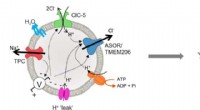
* Active transport requires energy (usually from ATP) to move molecules across a cell membrane against their concentration gradient. This means moving molecules from an area of low concentration to an area of high concentration.
* Sodium-potassium pumps are a prime example of active transport. They actively pump sodium ions out of the cell and potassium ions into the cell, creating a concentration gradient that is crucial for nerve impulse transmission, muscle contraction, and maintaining cell volume.
Other options are incorrect because:
* Passive transport does not require energy and moves molecules down their concentration gradient, which would not help maintain the specific sodium and potassium concentrations needed by cells.
* Diffusion is a type of passive transport where molecules move from an area of high concentration to an area of low concentration.
* Osmosis is a type of passive transport that involves the movement of water across a semipermeable membrane from an area of high water concentration to an area of low water concentration.
Let me know if you have any other questions!