* Size: The nucleus is relatively small compared to the rest of the cell.
* Transparency: The nucleus is mostly made of water and protein, making it transparent.
* No Staining: Without special staining techniques, the nucleus blends in with the rest of the cytoplasm.
To see the nucleus in an Elodea cell, you need a microscope and staining:
* Microscope: A microscope provides the magnification needed to see the tiny nucleus.
* Staining: Staining techniques use dyes that bind to specific cellular structures, making them visible under the microscope. Common dyes for viewing the nucleus include methylene blue and iodine.
Here's what you might see in an Elodea cell under a microscope:
* Chloroplasts: These green organelles are the most prominent feature, responsible for photosynthesis.
* Cell Wall: The rigid outer boundary of the cell.
* Cytoplasm: The gel-like substance that fills the cell.
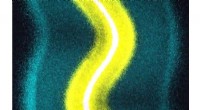
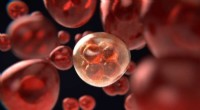
* Nucleus (with staining): A darker, often round structure within the cytoplasm.
Let me know if you have any other questions!