Here's why:
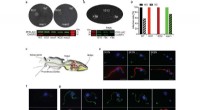
* Plants: Chloroplasts are essential for photosynthesis, the process by which plants convert sunlight into energy. They contain chlorophyll, the green pigment that absorbs light energy.
* Algae: Algae, although not true plants, are also photosynthetic organisms. They have chloroplasts, which allow them to produce their own food.
It's important to note that chloroplasts are not found in animals, fungi, or bacteria. These organisms obtain their energy from different sources, such as consuming other organisms (animals), decomposing organic matter (fungi), or using chemical reactions (bacteria).