1. Providing Nutrients:
* Plants as the Foundation: Plants are the primary producers in most ecosystems. They extract essential nutrients like nitrogen, phosphorus, potassium, and micronutrients from the soil. These nutrients are crucial for plant growth, which in turn supports all other organisms in the food web.
* Soil as a Nutrient Reservoir: Soil acts as a reservoir for nutrients, holding them in a form that plants can access. Microorganisms within the soil break down organic matter, releasing nutrients back into the soil. This process is called decomposition.
2. Supporting Growth and Stability:
* Physical Structure: Soil provides a stable foundation for plants to grow. Its structure, determined by the composition of sand, silt, and clay, influences water retention, aeration, and root penetration.
* Water Retention: Soil acts like a sponge, holding water that plants need for survival. The amount of water soil can hold depends on its texture and the presence of organic matter.
* Aeration and Drainage: Good soil structure allows for proper aeration, providing oxygen to plant roots. It also ensures adequate drainage, preventing waterlogging.
3. Hosting a Diverse Ecosystem:
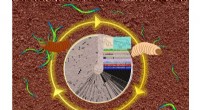
* Microorganisms: Soil teems with bacteria, fungi, and other microorganisms. These organisms are essential for decomposition, nutrient cycling, and disease suppression. They break down organic matter, release nutrients, and provide beneficial services to plants.
* Invertebrates: Soil is home to a vast array of invertebrates, including worms, insects, and arthropods. These creatures contribute to soil aeration, mixing, and the decomposition of organic matter.
* Other Organisms: Soil supports a wide range of organisms, including reptiles, amphibians, and even mammals, that rely on the soil for shelter, food, and reproduction.
4. Regulating the Global Climate:
* Carbon Sequestration: Soil plays a significant role in regulating the global climate by storing carbon. The decomposition of organic matter in soil releases carbon dioxide into the atmosphere, while the formation of stable organic matter sequesters carbon.
* Water Filtration: Soil acts as a natural filter, removing pollutants from water. This helps to maintain the quality of water sources, protecting both humans and ecosystems.
Overall: Soil is essential for life on Earth, providing a foundation for plant growth, supporting a vast array of organisms, and playing a crucial role in regulating the global climate. Its health is vital for the well-being of all living things.