Linnaeus' Key Traits:
* Structural Features: This included aspects like the shape, size, and arrangement of body parts. For example, the presence of wings, the number of legs, or the shape of a flower.
* Reproductive Organs: Linnaeus placed a strong emphasis on the reproductive system. He categorized plants by their reproductive structures, like the number of stamens and pistils in a flower. He also looked at the number and arrangement of seeds.
* Overall Form: Linnaeus considered the overall shape and appearance of an organism. This was particularly important for distinguishing between different species within a genus.
Linnaeus' System:
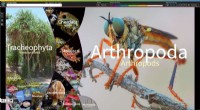
* Hierarchical Classification: Linnaeus introduced the hierarchical classification system, which organized organisms into a nested series of categories. This system, still in use today, includes: Kingdom, Phylum, Class, Order, Family, Genus, Species.
* Binomial Nomenclature: He established the system of binomial nomenclature, which uses two names (a genus name and a species name) to identify each species. This standardized the naming of organisms.
Important Notes:
* Limitations of Linnaeus' System: While revolutionary, Linnaeus' system had limitations. It relied solely on observable physical traits, and didn't account for evolutionary relationships or genetic differences between species.
* Modern Taxonomy: Today, scientists use a more advanced approach that considers evolutionary relationships, DNA sequences, and a wider range of characteristics.
In summary, Linnaeus' classification was based on:
1. Morphological features: primarily physical traits.
2. Reproductive organs: especially important for plant classification.
3. Overall form: the general appearance of the organism.
His system provided a foundational framework for understanding the diversity of life on Earth, though it has evolved significantly since his time.