Ecosystems are dynamic entities constantly evolving and responding to changing conditions. The natural cycle of progression, known as ecological succession, is a gradual process of change in the species structure of an ecological community over time. This journey can be divided into two main types:
1. Primary Succession:
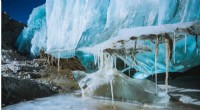
- Starting point: Begins with barren land, devoid of life, like newly formed volcanic islands or glacial retreats.
- Pioneer species: The first organisms to colonize the area are hardy and resistant to harsh conditions, like lichens and mosses. These pioneer species help break down the rock, creating soil.
- Gradual development: As soil develops, grasses and small shrubs take root, followed by larger trees and shrubs. Each stage provides a unique habitat for different species, influencing the next generation.
- Climax community: Eventually, a stable, mature ecosystem known as the climax community forms. This community is resistant to further change and dominated by species well-adapted to the local climate.
- Example: A barren volcanic rock gradually transforms into a lush rainforest.
2. Secondary Succession:
- Starting point: Occurs after a disturbance disrupts an existing ecosystem, like a fire, flood, or deforestation.
- Recolonization: The existing soil and seed bank allow faster recovery compared to primary succession.
- Early succession: Weeds and fast-growing grasses thrive in the open space.
- Mid-succession: Trees and shrubs gradually replace the grasses, leading to a more complex ecosystem.
- Climax community: The final stage is again a stable climax community adapted to the local conditions, though it may differ from the original community.
- Example: A forest fire clears a stand of trees, paving the way for new growth and a new ecosystem.
Key aspects of ecological succession:
- Change is gradual: Progression is not a sudden shift, but a series of gradual changes over time.
- Species interaction: Each species plays a role in influencing the community structure and the environment, paving the way for other species.
- Interplay of factors: Factors like climate, soil conditions, and the availability of resources drive the progression of the ecosystem.
- Dynamic equilibrium: The climax community is not static but constantly adjusts to minor disturbances, maintaining a balance.
Important to note:
- Human impact: Human activities can significantly alter the natural cycle of succession, often leading to detrimental effects on the ecosystem.
- No single climax: There is no single "correct" climax community, as different areas can reach different stable stages.
- Constant change: Ecosystems are not fixed and continue to adapt to new conditions, even after reaching a climax state.
Understanding the natural cycle of ecosystem progression is crucial for managing and protecting our natural resources. It emphasizes the interconnectedness of all living things and highlights the importance of allowing ecosystems to naturally adapt and thrive.