1. Storing and Transmitting Genetic Information:
* DNA: Contains the genetic blueprint of the organism. It's a complex molecule made up of nucleotides, which are arranged in a specific sequence. This sequence contains the instructions for building and maintaining the organism.
* Genes: Specific segments of DNA that carry the code for a particular protein or functional RNA molecule. These genes are responsible for traits, like eye color or height, and for the functioning of various cellular processes.
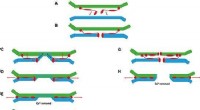
* Replication: The DNA molecule replicates itself before cell division, ensuring each daughter cell receives a complete copy of the genetic information. This process is essential for growth and development.
2. Directing Protein Synthesis:
* Transcription: DNA's genetic code is transcribed into a messenger RNA (mRNA) molecule. This mRNA acts as a temporary copy of the gene and carries the instructions to the ribosomes.
* Translation: Ribosomes read the mRNA sequence and use it to assemble amino acids into proteins. Proteins are essential for building and maintaining cells, carrying out chemical reactions, and performing other cellular functions.
3. Controlling Cellular Activities:
* Gene regulation: Cells can control which genes are expressed and when. This allows them to respond to changing environmental conditions and to specialize in specific functions.
* Mutations: Changes in the DNA sequence can lead to mutations, which can alter the function of proteins or genes. Mutations can be beneficial, harmful, or neutral.
In summary, genetic material is the cornerstone of cellular life. It provides the instructions for building and maintaining cells, directing protein synthesis, and controlling cellular activities. Understanding the role of genetic material is essential for comprehending the complexity of life.