Here's why:
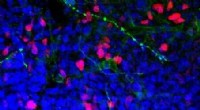
* Eukaryotic cells are complex cells that have a true nucleus, which is a membrane-bound organelle that houses the cell's genetic material (DNA).
* Prokaryotic cells, on the other hand, are simpler cells that lack a true nucleus. Their DNA is located in a region called the nucleoid, but it's not enclosed within a membrane.
Examples of eukaryotic cells include:
* Animal cells
* Plant cells
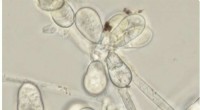
* Fungi cells
Examples of prokaryotic cells include:
* Bacteria
* Archaea
So, if a cell has a nucleus, it's a eukaryotic cell.