Organisms with a Nucleus (Eukaryotes)
* Animals: All animals, from tiny insects to giant whales, have cells with a nucleus.
* Plants: From towering trees to microscopic algae, plants are also eukaryotes.
* Fungi: Mushrooms, molds, and yeasts all belong to this kingdom of eukaryotic organisms.
* Protists: This diverse kingdom includes everything from single-celled amoebas to complex kelp.
Organisms without a Nucleus (Prokaryotes)
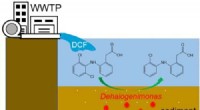
* Bacteria: These are single-celled organisms found everywhere in the environment.
* Archaea: Another group of single-celled organisms that are often found in extreme environments, like hot springs or salty lakes.
The Key Difference: Nucleus vs. No Nucleus
* Nucleus: The nucleus is a membrane-bound organelle that houses the organism's genetic material (DNA). It's essentially the control center of the cell, regulating all its activities.
* No Nucleus: Prokaryotes don't have a nucleus. Their DNA is located in a region called the nucleoid, which is not enclosed by a membrane.
Why This Distinction Matters
The presence or absence of a nucleus is a fundamental difference between two major groups of life: eukaryotes and prokaryotes. This difference has profound implications for:
* Cell Structure: Eukaryotic cells are typically much more complex than prokaryotic cells, with a variety of specialized organelles.
* Genetic Material: The organization and replication of DNA differ significantly between the two groups.
* Evolution: Eukaryotes are thought to have evolved from prokaryotes through a series of complex events.
Let me know if you'd like to explore any of these concepts in more detail!