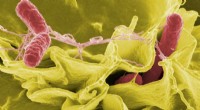
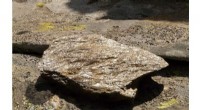
* Cyanobacteria: These photosynthesizing bacteria are the foundation of biocrusts, fixing nitrogen and carbon dioxide. They form a greenish, slimy layer on the surface.
* Mosses and Lichens: These contribute to the structure and water retention of the biocrust. They are often visible as small, colorful patches.
* Fungi: Fungi play a crucial role in decomposition and nutrient cycling, forming a web of filaments within the biocrust.
* Algae: Algae contribute to the photosynthetic activity of the biocrust, providing food and energy to the other organisms.
* Microbes: A diverse community of bacteria, fungi, and other microorganisms contribute to the complex functions of the biocrust.
Importance of Biocrusts:
* Soil Stabilization: Biocrusts bind the soil together, preventing erosion by wind and water.
* Water Retention: They act as a sponge, absorbing and retaining rainwater, making it available for plants.
* Nutrient Cycling: They facilitate the breakdown of organic matter, releasing nutrients for plant growth.
* Habitat: Biocrusts provide a habitat for various small invertebrates and reptiles.
* Climate Regulation: They play a role in carbon sequestration and contribute to the global carbon cycle.
Threats to Biocrusts:
* Overgrazing: Livestock can trample and destroy biocrusts.
* Off-road Vehicles: Vehicles can compact and disrupt biocrusts.
* Climate Change: Extreme weather events and changes in precipitation patterns can negatively impact biocrusts.
Conservation:
Protecting biocrusts is essential for maintaining the health and productivity of arid and semi-arid ecosystems. Conservation efforts involve:
* Sustainable Land Management: Practices that minimize disturbance and promote biocrust recovery.
* Restoration: Active efforts to re-establish biocrusts in degraded areas.
* Education: Raising awareness about the importance of biocrusts.
By understanding and valuing these fascinating living layers, we can contribute to the preservation of these vital ecosystems.