Here's a breakdown of how they differ:
* Fungi: A diverse group of organisms that include mushrooms, molds, and yeasts. They are heterotrophic, meaning they get their nutrition from other organisms (unlike plants). They obtain food by absorbing nutrients from their surroundings. Fungi have a unique cell wall made of chitin, which is also found in the exoskeletons of insects.
* Plants: Producers! Plants are autotrophic, meaning they make their own food through photosynthesis. They have cell walls made of cellulose and possess chloroplasts, which contain chlorophyll for photosynthesis.
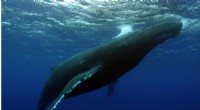
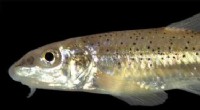
* Animals: Consumers! Animals are heterotrophic and obtain their food by eating other organisms (plants or animals). They lack cell walls and can move independently.
Although different, these groups share characteristics as living organisms:
* Organization: Made of one or more cells.
* Metabolism: Carry out chemical reactions to obtain energy.
* Growth: Increase in size and complexity.
* Reproduction: Produce offspring.
* Adaptation: Respond to their environment and evolve over time.